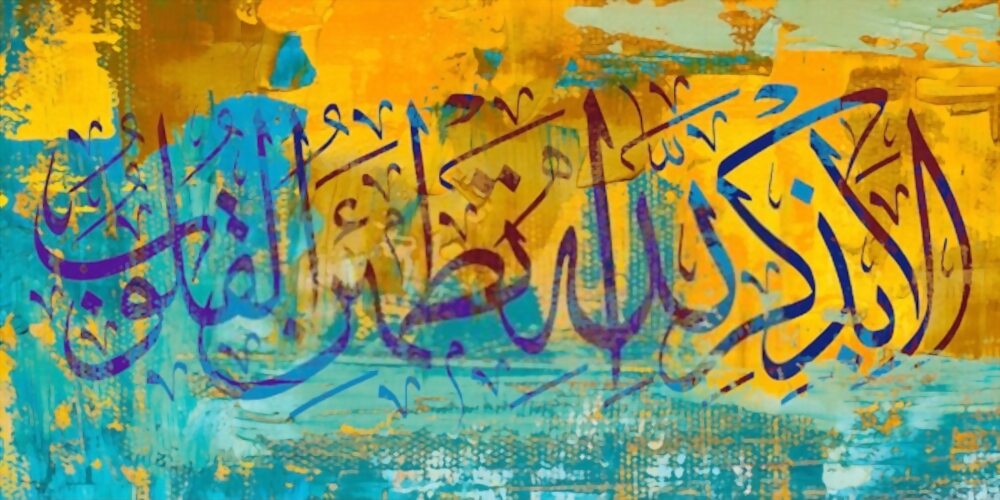
The best online calligraphy classes do more than show attractive alphabets: they teach the strokes, tools, spacing, and practice habits that make those letters repeatable. The wrong class can leave a beginner copying shapes without understanding why they work.
Course pages also make very different promises. Some give you a free taste of modern calligraphy, while others offer instructor feedback, a broad library, or a deeper route into historical scripts.
This guide compares five current options by what you will actually learn, how feedback works, what supplies you need, and whether a certificate is part of the offer. It also separates useful free instruction from “free trial” language that can lead to a paid subscription.
Use the comparison to choose one starting style and one practice path, then follow the 30-day plan below instead of collecting more courses than you can complete.
Key takeaways
- Best free starting point: The Happy Ever Crafter provides a beginner workshop and printable workbook without requiring prior experience.
- Best for personal correction: Calligraphy.org pairs self-paced lessons with one-to-one feedback on uploaded work.
- Best for exploring styles: Domestika and Skillshare provide large libraries, but the teaching depth and certificate terms vary by class or plan.
- Best low-cost practice resource: IAMPETH is useful for traditional penmanship references and learning links, not a formal qualification.
- Choose your script first—brush, pointed pen, broad edge, Arabic, Chinese, or Japanese—because each requires different tools and movements.
Table of contents
- Quick comparison of the best online calligraphy classes
- How we compared these classes
- What a beginner calligraphy course should teach
- Best online calligraphy classes reviewed
- Free vs paid calligraphy classes
- How to choose the right class
- A practical 30-day calligraphy plan
- Build a broader creative practice
- Which online calligraphy class is best?
- Frequently asked questions
Quick comparison of the best online calligraphy classes
This is a decision-first list, not a ranking based on brand size or temporary discounts. “Best” means the option fits a specific learner, style, and need for feedback.
| Class or resource | Best for | Format | Cost model | Formal certificate? |
|---|---|---|---|---|
| The Happy Ever Crafter | Testing modern calligraphy | Self-paced workshop + workbook | Free | No |
| Calligraphy.org | Personal feedback | Self-paced lessons + coaching | One-time class purchase | Not the main value |
| Domestika | Exploring global styles | Project-based recorded courses | Per course or membership | Depends on plan |
| Skillshare | Trying several teachers | Short recorded classes + projects | Subscription or trial | No formal credential |
| IAMPETH | Traditional scripts and references | Learning links and archives | Free resources; membership optional | No |
How we compared these classes
We reviewed current official pages for beginner fit, lesson structure, practice materials, feedback, access model, and stated outcomes.
We did not treat a completion badge as proof of professional skill. Calligraphy is a performance skill, so a small portfolio of consistent letters and finished pieces is more persuasive than an unassessed certificate.
What a beginner calligraphy course should teach
Calligraphy is the deliberate creation of letterforms with controlled strokes, spacing, rhythm, and suitable writing tools. It is not simply neat handwriting, and it is not the same as choosing a decorative computer font.
A strong beginner course starts with posture, pen angle, pressure, basic strokes, letter families, spacing, and connections before asking you to create a quote or envelope. It should also explain which nib, brush pen, ink, and paper match the script being taught.
Look for close camera angles and printable guidelines. If you want correction, choose a class with instructor critique or a community where you can upload clear photographs of your practice sheets.
Best online calligraphy classes reviewed
The five options below serve different intentions, from a no-risk first session to ongoing coached practice. Start with the option that removes your biggest obstacle rather than the one with the longest course catalog.
1. The Happy Ever Crafter — best free modern calligraphy introduction
The free Show Me Your Drills calligraphy workshop is designed for complete beginners and includes a 75-minute video plus a downloadable workbook. It covers the basic approach without asking you to buy a large course first.
This is the clearest choice if you are unsure whether you enjoy brush or modern calligraphy. The limitation is equally clear: a short workshop cannot replace weeks of deliberate practice or individual correction.
- Best for: Complete beginners who want a genuine free test before spending
- Format: One self-paced workshop with printable practice material
- Cost model: Free signup
- Certificate: No formal certificate advertised
Our verdict: Use it to learn the basic stroke system and decide whether to continue, not as an endpoint.
2. Calligraphy.org — best for one-to-one feedback
Calligraphy.org’s online class catalog includes beginner choices such as Modern Calligraphy, with pointed-pen foundations and progression toward a personal style. Its distinguishing feature is a feedback gallery where learners upload assignments and receive instructor comments.
That feedback can reveal pressure, slant, spacing, and consistency problems that a recorded video cannot see. It suits learners who will submit work regularly and act on corrections.
- Best for: Learners who improve faster with specific written critique
- Format: Self-paced lessons, assignments, and instructor feedback
- Cost model: One-time purchase varies by class
- Certificate: Do not choose it primarily for a credential
Our verdict: The strongest option here when accountable practice and correction matter more than having hundreds of classes.
3. Domestika — best for distinct calligraphy traditions
Domestika’s online calligraphy course collection spans Copperplate, Gothic, brush, Arabic, Chinese, Japanese, Hebrew, and experimental lettering. Most classes lead toward a defined project, which makes it easier to finish with a portfolio piece.
The breadth is useful only after you identify your preferred script. Check the teaching language, subtitles, required tools, final project, and current certificate rules on the specific course page before buying.
- Best for: Visual learners who want a polished project in a specific script
- Format: Recorded, self-paced lessons with downloads and a final project
- Cost model: Individual purchase or membership options
- Certificate: Availability depends on the current purchase or membership plan
Our verdict: Pick one tightly matched course; buying several styles at once usually scatters a beginner’s practice.
4. Skillshare — best for sampling multiple teachers
The Skillshare lettering and calligraphy library contains short classes covering foundational scripts, modern lettering, flourishes, envelopes, and digital applications. Class projects let you move from watching to making, although the amount of teacher feedback varies.
A subscription can make sense when you plan to complete several related creative classes in a concentrated period. Review the cancellation date for any trial and avoid assuming that every class provides the same depth.
- Best for: Curious learners comparing several teachers and lettering styles
- Format: Subscription library of short, self-paced video classes
- Cost model: Trial or recurring subscription, depending on location and offer
- Certificate: No accredited calligraphy qualification
Our verdict: Good for breadth and experimentation, but self-discipline must replace a fixed curriculum.
5. IAMPETH — best traditional calligraphy reference
IAMPETH’s calligraphy learning page points learners toward structured resources across modern, brush, chalk, and foundational lettering. The nonprofit association also preserves knowledge around penmanship, engrossing, and historical scripts.
Treat this as a reference and continuing-practice resource rather than a single linear course. It is particularly useful when you want terminology and traditional context beyond social-media lettering trends.
- Best for: Learners interested in traditional penmanship and reliable reference material
- Format: Curated learning links, association resources, and optional membership
- Cost model: Learning resources vary; membership is separate
- Certificate: No general course certificate
Our verdict: A valuable companion resource once you know which script you want to practise.
Free vs paid calligraphy classes
Free instruction is enough to test your interest, learn vocabulary, and begin basic strokes. It is not automatically inferior, but it often lacks a sequence, deadlines, detailed critique, or a single project that exposes weaknesses.
Pay when the purchase removes a real constraint: you need feedback, a carefully ordered curriculum, a specialist script, or permanent access to lessons and worksheets. Do not pay merely for a completion badge if nobody assesses the quality of your lettering.
Also budget for tools. A suitable pen, nib or brush, ink, smooth paper, and printed guidelines can influence the learning experience more than another bundle of videos.
How to choose the right class
First, choose the result you want to make: modern place cards, Copperplate invitations, broad-edge Italic, brush lettering, or an East Asian tradition. A course cannot be “best” if it teaches a different movement and tool from your intended work.
Second, watch a preview and inspect the camera angle. You should be able to see the instructor’s grip, pen angle, pressure changes, stroke order, and the finished line at a useful scale.
Third, check access and feedback in plain language. Confirm whether access expires, a trial becomes paid, downloads are included, supplies ship internationally, and a named instructor will actually review your work.
Finally, choose a class that gives you something to finish. A small set of alphabet drills plus one clean final piece is more useful than many half-watched lessons.
A practical 30-day calligraphy plan
During week one, set up your tools and repeat only the fundamental strokes for 15 to 20 minutes a day. Photograph the same drill on days one and seven so you can compare pressure, slant, spacing, and consistency.
In week two, practise letter families that share movements rather than writing the alphabet from A to Z every time. In week three, join letters into short words and mark the joins that disturb rhythm.
Use week four for one finished piece such as a name card, envelope, quote, or small sign. Ask for targeted feedback, revise it once, and keep both versions as evidence of improvement.
Build a broader creative practice
Calligraphy pairs naturally with other hands-on skills. Our guides to online sewing classes and online pottery classes use the same decision-first approach to tools, projects, and feedback.
If you prefer live performance and real-time coaching, compare the learning formats in our guide to online acting classes. Choose one primary skill at a time so practice remains consistent.
Which online calligraphy class is best?
The Happy Ever Crafter is the sensible first stop for a free modern-calligraphy test, while Calligraphy.org is the better fit when you want individual correction. Domestika suits a specific project or tradition, Skillshare rewards focused exploration, and IAMPETH adds historical depth and reference material.
Choose one, schedule 30 days of practice, and judge it by the letters you can produce—not by the number of lessons in your account. Free Tutorials Online will keep this comparison focused on current, usable choices rather than inflated course counts.
About the author: Noblesoft publishes practical course and tutorial comparisons for Free Tutorials Online. This guide was researched from current official provider pages, with claims limited to information that could be verified.
Editorial note: Provider pages and course details were checked on September 4, 2026. Prices, schedules, and access terms can change, so confirm them on the linked official page before paying.
Frequently asked questions
Yes. A structured free workshop can teach basic strokes and help you test the craft, but you still need suitable tools and repeated practice to improve.
Many beginners find brush or faux calligraphy approachable because the tools are simple, while pointed-pen scripts require more control of nib angle, ink, and pressure.
Some platforms may provide a completion certificate under specific plans, but many specialist and free classes do not. A portfolio of consistent work usually demonstrates the skill better.
You can understand the basic stroke system in a few sessions, but consistent letterforms normally require weeks or months of short, deliberate practice.
The supplies depend on the script. Confirm the instructor’s list before buying; common items include a brush pen or nib and holder, suitable ink, smooth paper, and printed guidelines.